ADAS
ADAS & dynamic calibration — explained simply
After a windscreen change, the cameras and sensors that support driver-assistance features often need recalibrating. We explain what your car needs in plain English — personal advice, not a scripted national queue — and complete it when required, often on the same visit.
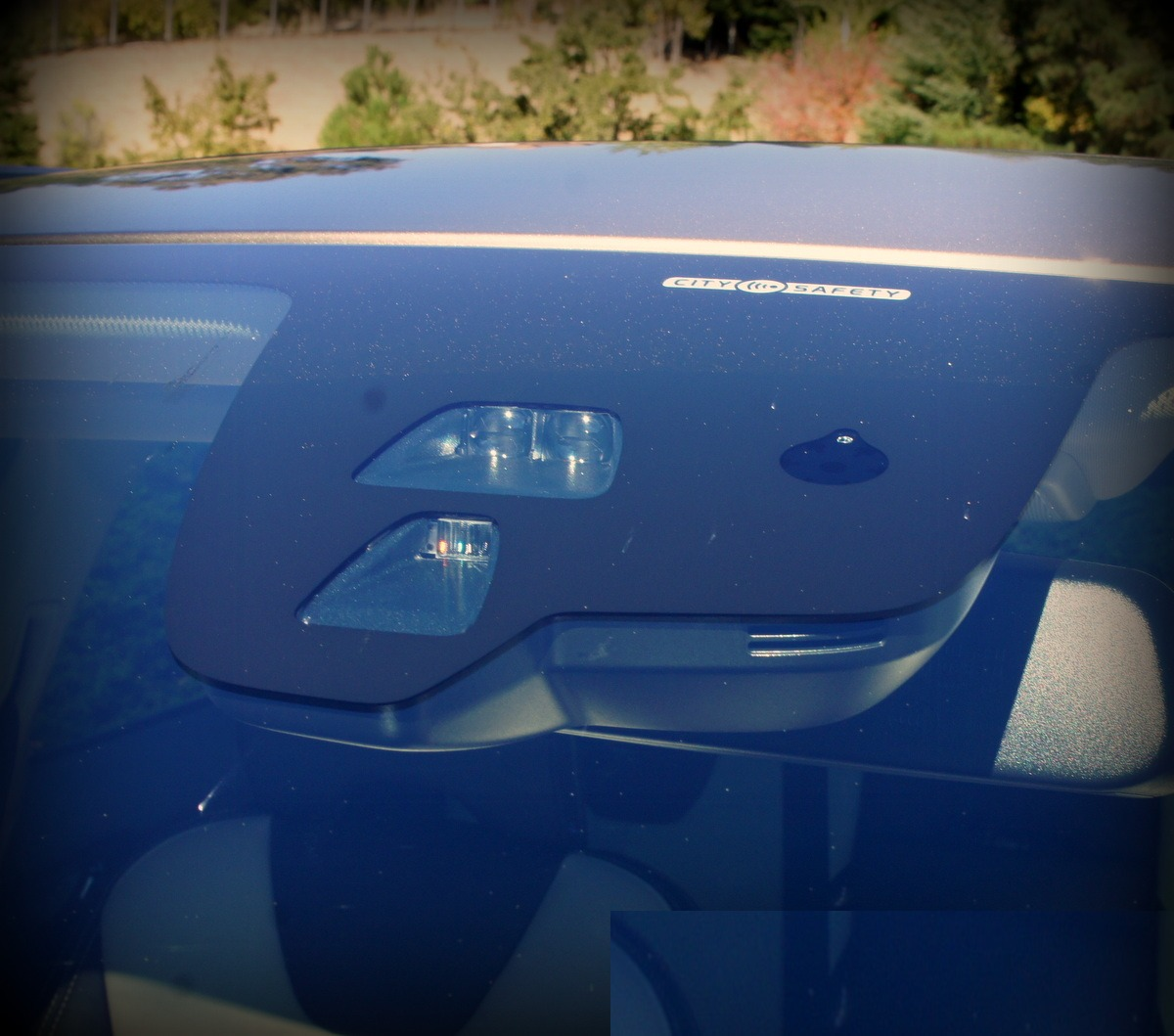
Static calibration
The vehicle stays still. Specialised targets or boards are set up at measured distances in front of the car so the camera can be aligned to the manufacturer’s procedure. Useful when the workshop or site conditions allow a controlled setup.
Dynamic calibration
The vehicle is driven on suitable roads under defined conditions while the system learns and confirms alignment. Some cars need dynamic only; others need static, dynamic or both. We follow what your vehicle’s procedure requires — not a one-size-fits-all shortcut.
Why calibration matters
Features such as lane-keeping assist, adaptive cruise and automatic emergency braking rely on a correctly aimed camera. Fitting a new windscreen without calibration (when the manufacturer requires it) can leave those systems inaccurate or unavailable.
Same visit when needed
Wherever practical, we plan glass replacement and the required calibration together so you are not left waiting days for a second appointment. Tell us your registration when you book — we can check what your model typically needs.
Honest scope
Not every older vehicle has ADAS. Not every job needs both static and dynamic. We will not upsell calibration you do not need — and we will not skip it when safety and the manufacturer say you do.
Related: windscreen replacement · insurance & pricing
Replacing glass on an ADAS-equipped car?
Call with your registration — we will talk through calibration in plain English.
Prefer to talk? 01795 111111 — primary contact for quotes and advice.